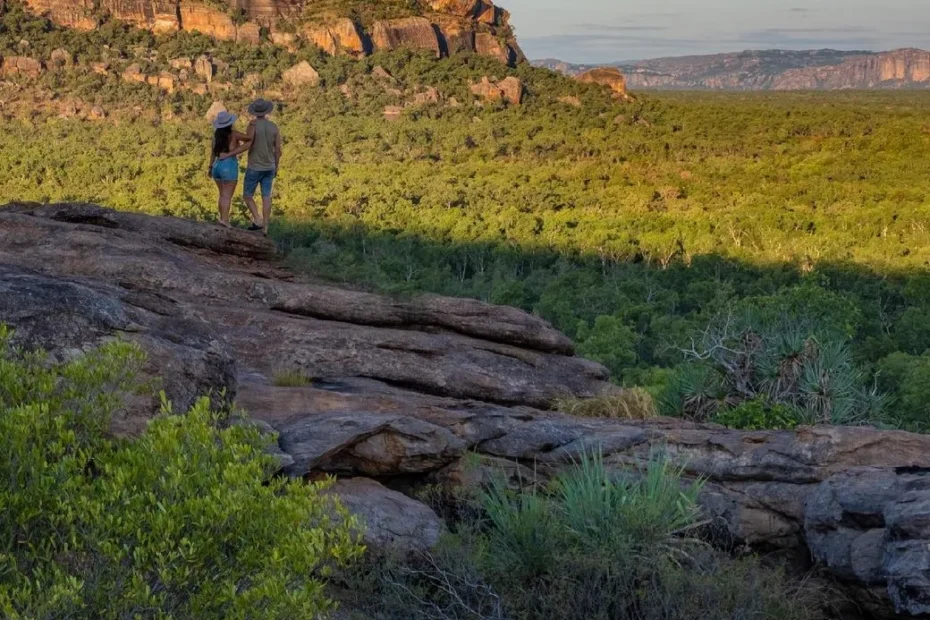
Kakadu National Park is one of Australia’s most famous natural wonders. Its stunning landscapes, amazing wildlife and rich cultural heritage attract thousands of visitors each year. With its lush greenery during the wet season and dense vegetation in some areas, many ask: Is Kakadu a rainforest? The answer is more complicated and interesting than you think.
Contents
A Park of Contrasts
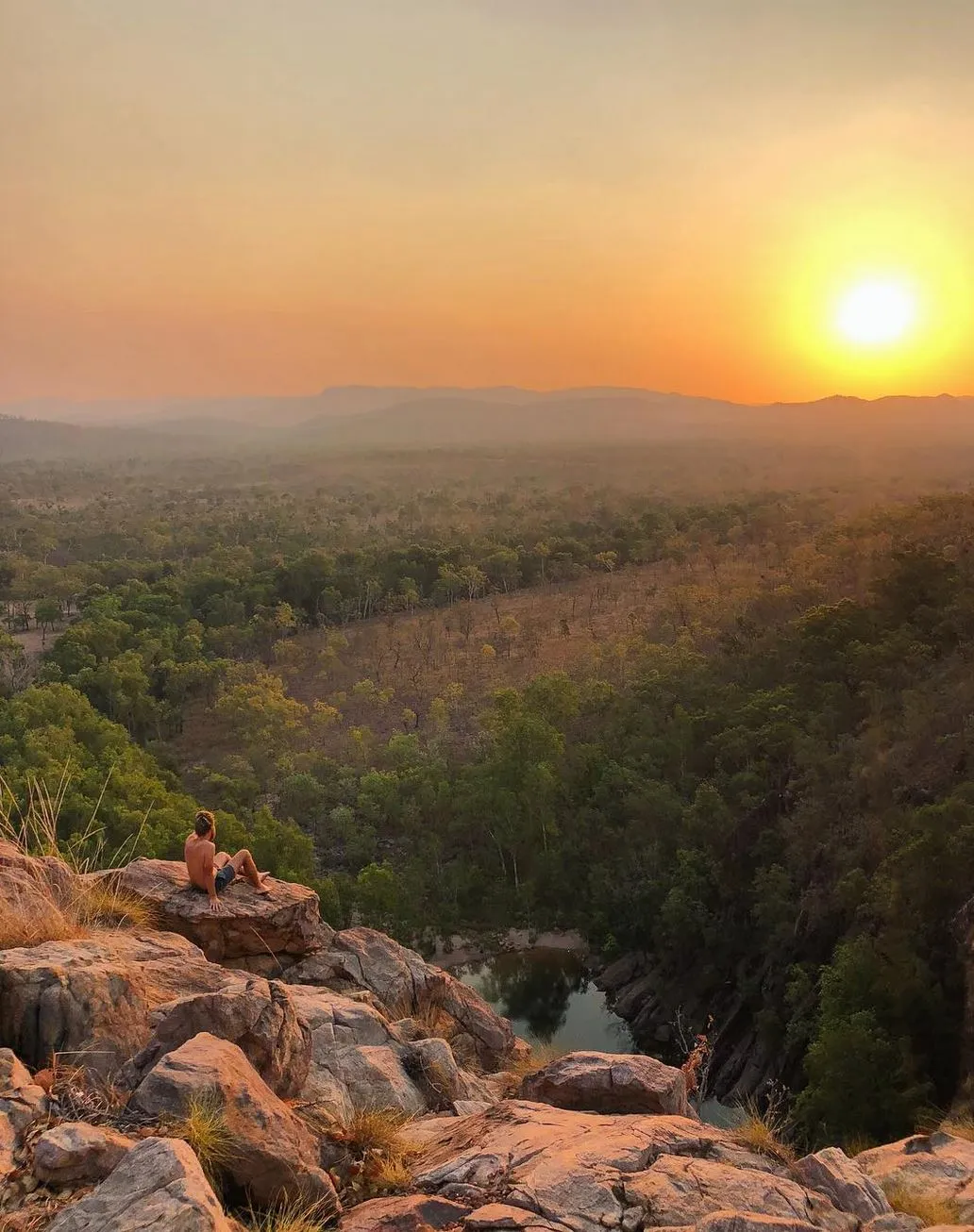
Located in the Top End of Australia’s Northern Territory, Kakadu covers nearly 20,000 square kilometres and is co-managed by its traditional owners and Parks Australia. It has many different habitats, making it one of the most diverse national parks in the world. From floodplains and tidal flats to stone escarpments and billabongs, Kakadu has it all.
Kakadu does have monsoon rainforest areas but these only make up a small part of the park. The main habitats are eucalypt savanna woodlands, freshwater ecosystems and alluvial flats. Monsoon rainforest zones are found in moist gorges and protected areas where there is plenty of water, shelter and fertile soil for dense vegetation to grow.
Hidden Biodiversity Hotspots
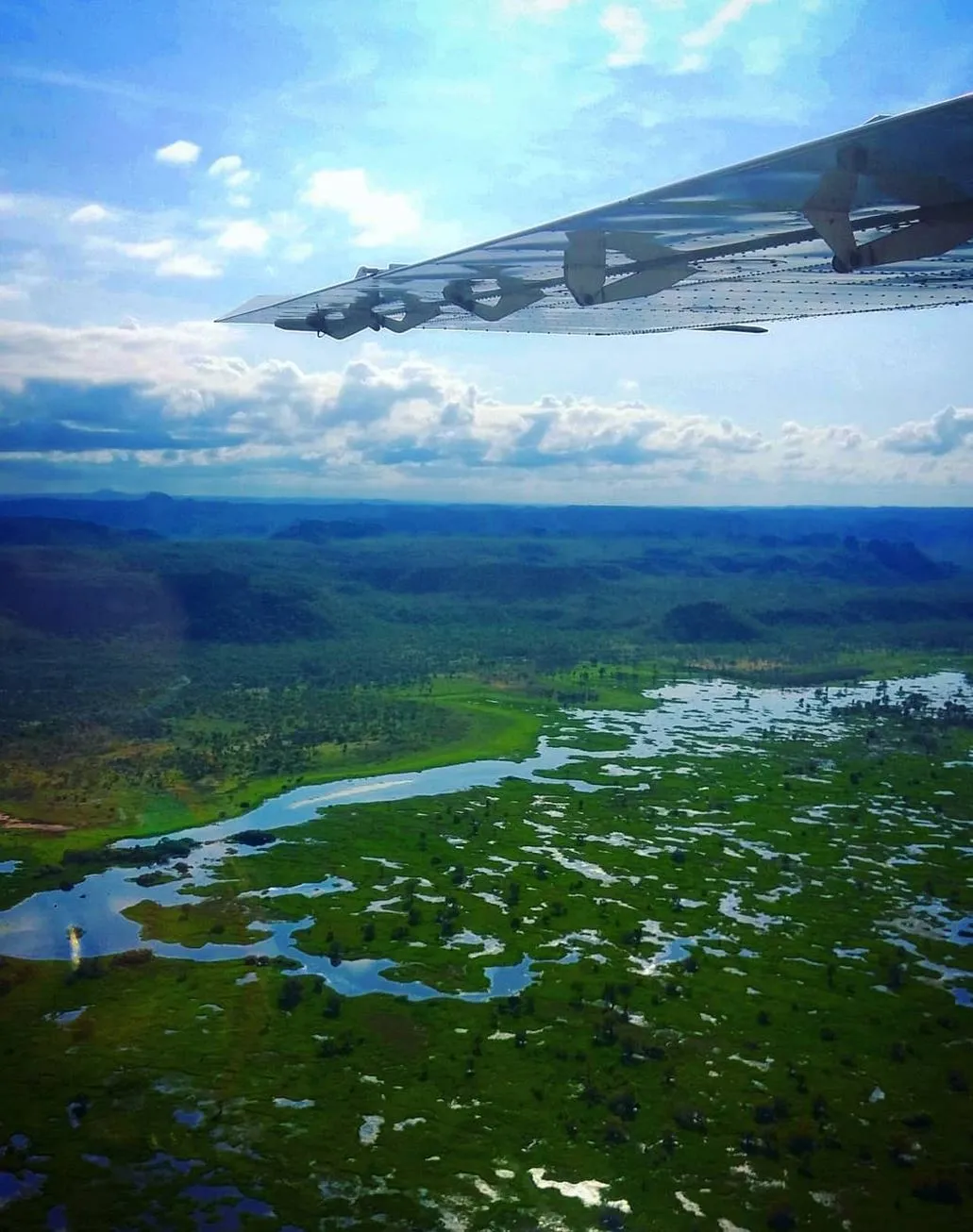
The monsoon rainforests in Kakadu are found along escarpments, moist gorges and freshwater springs. These areas stay relatively humid all year round, especially during the wet season when the park gets flooded. These environments support a variety of forest types and many animal and plant species.
Rainforest plant life includes:
- Fan palms
- Tree ferns with aerial roots
- Pandanus spiralis
- Native figs and climbing vines
These areas are also breeding grounds for nocturnal animals, amphibians and various bird species, many of which rely on rainforest habitats for survival. Examples of plants and animals found only in these ecosystems show the biodiversity and ecological integrity of Kakadu.
Forest Edge and Wet Rainforests
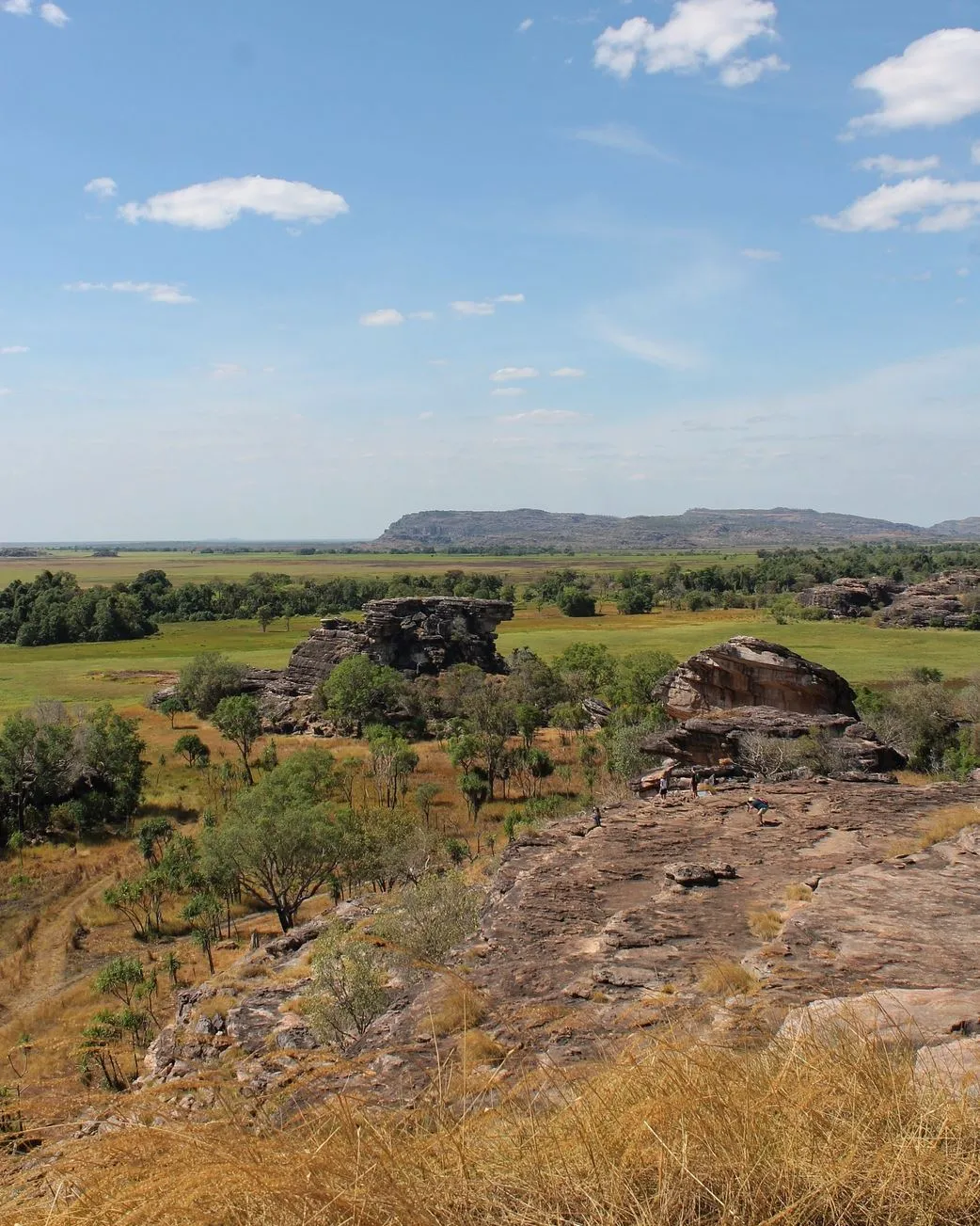
Kakadu’s forest edges are the transition zones between rainforest pockets and open savanna woodlands. In the wet season the edges become a lush haven for wildlife. The wet rainforests are a sanctuary for both endemic and migratory species.
Birders come to breed during the breeding season to see rare birds, researchers to monitor animal activity and seasonal changes. The rainforest patches in Kakadu are not just pretty but essential to the park’s systems.
Kakadu’s Main Ecosystems
To get a better understanding of Kakadu’s landscape here’s a comparison of the main ecosystems:
| Ecosystem Type | Key Features | Common Species | Seasonal Behavior |
|---|---|---|---|
| Monsoon Rainforest | Moist gorges, freshwater springs, dense canopy | Tree ferns, native figs, fan palms | Expands during the wet season |
| Savanna Woodlands | Open eucalypt forests, dry grass undergrowth | Wallabies, cockatoos, pandanus | Prominent during the dry season |
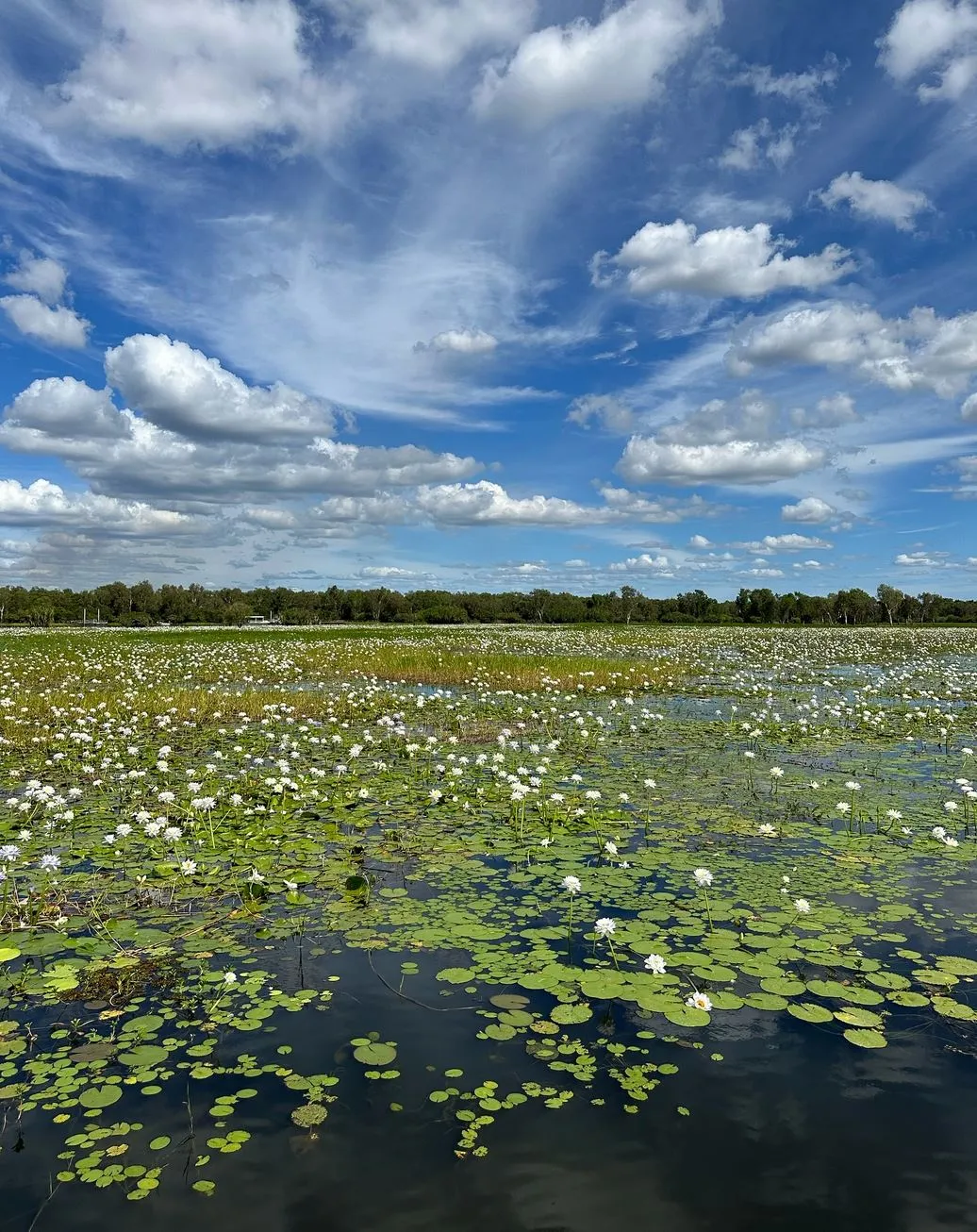
| Freshwater Ecosystems | Billabongs, rivers, and wetlands | Barramundi, magpie geese, lotus lilies | High activity in the wet season |
| Tidal Flats & Mangroves | Coastal edges, salt-tolerant flora | Mud crabs, mangroves, and migratory birds | Tidal fluctuation year-round |
Cultural Landscape and Traditional Owners
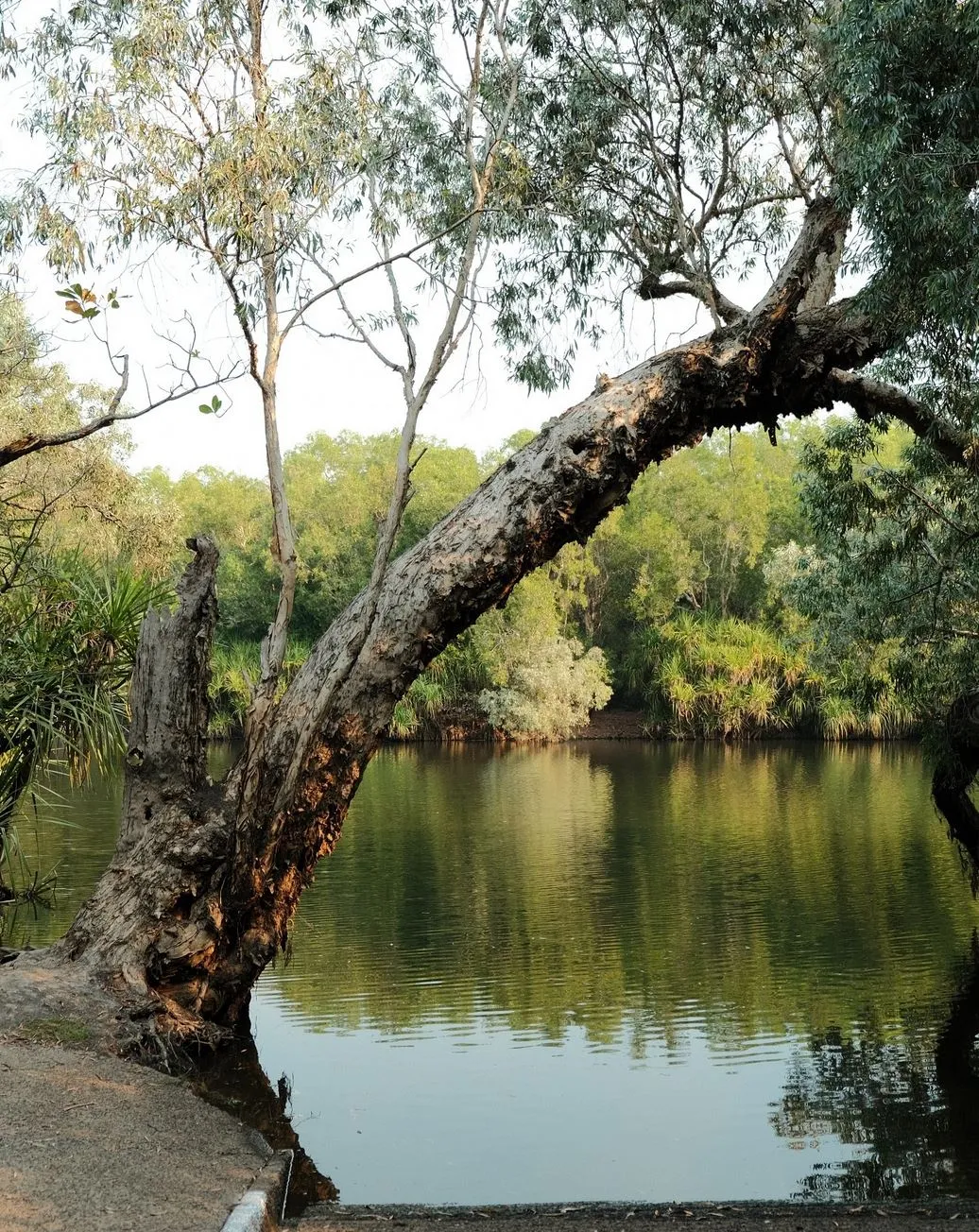
For over 65,000 years, Kakadu has been home to Aboriginal people who are the park’s traditional owners. Their spiritual and cultural connection to the land is evident in the cultural landscape, with rock shelters, ancient tools and rock art galleries. These sites represent timelines of life, environmental change and stories passed down through generations.
Rock art in Kakadu often depicts local wildlife, climate extremes and seasonal events like dry season fires and flood surges. These are not just historical – they are a living cultural archive guided by cultural values and adaptive management practices.
Environmental Pressures and Conservation
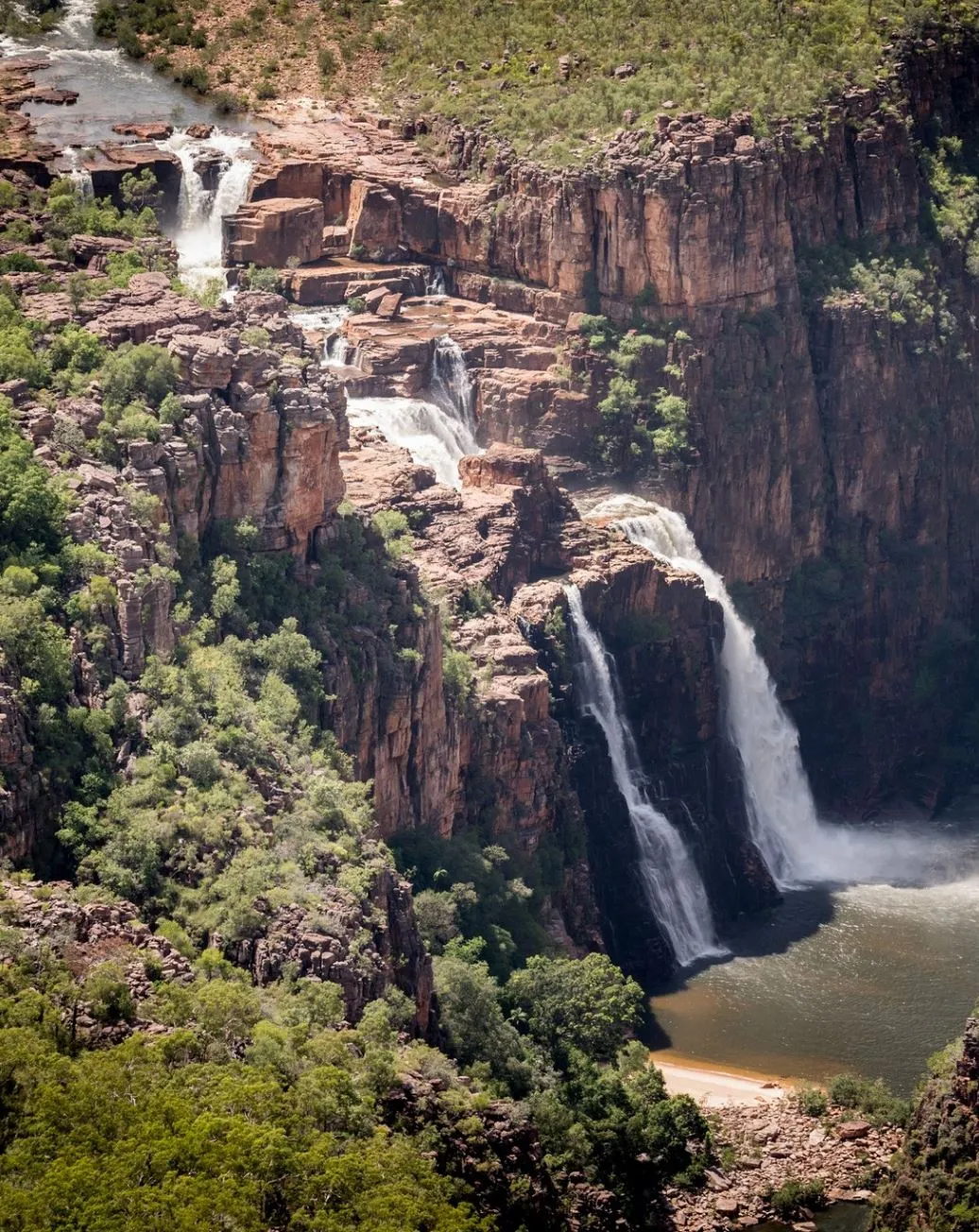
Although Kakadu’s ecosystems are resilient they are not immune to pressure. Feral animals like cane toads and buffalo threaten native species and fragile habitats. Dry season fires, when unmanaged, can disrupt breeding cycles and alter the carbon flux in the environment.
To combat these threats scientists use digital processing of aerial photos to monitor changes in vegetation, measure water levels and calculate fragmentation indices across the entire catchment. This helps identify areas at risk of a dramatic loss of biodiversity and informs conservation efforts.
The Bigger Picture
It’s important to remember that Kakadu’s rainforest pockets are just pieces of a much bigger ecological jigsaw. The park’s aquatic ecosystems, savannas and samphire flats contribute to a range of habitats that support the region’s wildlife all year round. Freshwater ecosystems like billabongs and springs support not just flora and fauna but also the cultural practices of Indigenous communities.
Nearby tour destinations like Nitmiluk Gorge and Litchfield National Park offer more opportunities to experience the Top End. Many Darwin to Kakadu day trip include stops at these parks, with Autopia Tours offering guided tours that showcase Kakadu’s unique blend of culture and ecology. These day trips from Darwin make Kakadu’s wonders accessible even if you only have a short time in the NT.
Conclusion
So is Kakadu a rainforest? Not entirely, but it does have rich and thriving pockets of monsoon and tropical rainforest ecosystems. These are supported by climate and geology, shaped by thousands of years of human management and deeply embedded in the cultural landscape. Aerial roots, freshwater springs and dense vegetation can make it look like a continuous rainforest in the wet season. But Kakadu is more than a rainforest – it’s a big, complex and full of life and meaning.
FAQ
Is Kakadu a tropical rainforest?
No, Kakadu is not all tropical rainforest. There are monsoon rainforests but they are limited and surrounded by savannas and wetlands.
What ecosystems are in Kakadu?
Kakadu has many ecosystems: savanna woodlands, tropical rainforests, freshwater ecosystems, samphire flats, floodplains and stone escarpments.
Who are the traditional owners of Kakadu?
Aboriginal Australians are the traditional owners of Kakadu. They co-manage the park and preserve the cultural values including rock art galleries and sacred sites.
What’s the best time to visit the rainforest areas of Kakadu?
The wet season (November to April) is the best time to see the rainforests in full bloom but some areas may be closed due to flooding.
How is Kakadu being protected from environmental threats?
Conservation efforts include adaptive management, aerial photography for digital analysis, feral animal control and ecological monitoring to preserve biodiversity.